
Category Archives: Christianity

The Prophet Amos Addresses the Legislature

Camden, New Jersey is one of the poorest citie...

Image via Wikipedia

Listen to this, you who grind the destitute and plunder the humble, you who say,
“When will the new moon be over so that we may sell corn? When will the Sabbath be past so that we may open our wheat again, giving short measure in the bushel and taking overweight in the silver, tilting the scales fraudulently, and selling the dust of the wheat; that we may buy the poor for silver and the destitute for a pair of shoes?”
The Lord has sworn by the pride of Jacob:
I will never forget any of their doings.       Amos 8: 4-7

A new day coming, change breathing fear and conflict down our necks, we bow before the gods of Scarcity and Me First. An old order, feverish, on its death bed, hollers, flails, clutches its bedclothes with restless fingers, and sees leering phantoms rise from its bedpan.

A cry rises up out of Egypt. Here in this land the child of Compassion once found safety from another ruler’s wrath.

“Let our people go!” rings out in Libya. Rulers tremble. Politicians abandon reason and rush to protect their interests. The homeless crowd the streets. The sick are told to leave their sheltered care and fend for themselves. And truth, which finds its voice, its shape, its story, its song in art,

is silenced

as the rich and powerful cling to their gold.

A huge share of the nation’s economic growth over the past 30 years has gone to the top one-hundredth of one percent, who now make an average of $27 million per household. The average income for the bottom 90 percent of us? $31,244.

Tell them this.

Put down this.

Be still.

Or be stilled.

And Know who I Am.

And know this –

there are rules:

Love, serve, and trust God rather than trusting systems which exploit and destroy life in its many forms.
Take care of neighbors. Welcome, respect, and protect the stranger, the alien, and the orphan. Look out for the weak, children, women, and the elderly.
Don’t kill each other, or steal or tell lies about each other. Don’t be unfaithful to your commitments to each other.
Don’t engage in practices which exploit or prey upon the vulnerable.
Once a week back away from the system of anxious scarcity, production, and consumption. Stop working and rest. Do not allow your life to be defined by endless producing and doing, and no being.

and there are consequences:

I will not forget any of your doings. 


Be still, and know that I am God;
I will be exalted among the nations,
I will be exalted in the earth. Psalm 46: 10 NIV

morningprayer


.

With gratitude to the prophets, Joel and Amos, and modern prophet and Biblical scholar,Walter Brueggemann and his book, Journey to the Common Good
The Sanctuary Foundation for Prayer
Read more about prayer www.fromholyground.org,
Contact the author lross@fromholyground.org, www.fbook.me/sanctuary
Follow at http://twitter.com/lfross

Not Knowing and the Crucifixion of the Intellect

He went out, not knowing where he was going.
Hebrew 11:8

Waiting in the check out line, I indulge in my guilty pleasure – scanning the headlines of the National Enquirer. BILLY RAY RAGE: DISNEY DESTROYED MILEY CYRUS! GAGA-MADONNA WAR ERUPTS! I resist pulling an issue of Celebrity News off the rack to catch up on Tom and Katie. I save that for the beauty salon, when I am less apt to run into someone I know.

Back home as I haul in the groceries, my dog gives me a good sniffing, reading me front and back like a newspaper full of local scandals. All of us critters seem to be created with curiosity, as we wave antennae, bounce sonar, phosphoresce, and sniff out the news of our world and of one another, often shamelessly poking our snouts in our neighbor’s crotch.

Such knowledge – lurid, informative, or life saving – may empower, entertain, set us free, or provide our supper. Knowledge opens doors to invention, opportunity, and innovation.

The Bible understands that the highest kind of knowledge is knowledge, not of my neighbor’s stupid acts and reckless behavior, but of God. Knowledge of God is not for sale in the supermarket check-out line, but is given free through growing intimacy with Holiness. Knowledge of God flows from creation, scripture, people, even, sometimes, the check out line at Savemore, but, most significantly, from companionship and personal communion with the Holy One. Such knowledge and understanding develops through the exchange of love in the experience of a life shared with Christ through prayer. Like my dog, Elijah, one begins to know God, because I have sniffed at God long and often enough to recognize his scent.

Understanding of God is arrived at by literally standing under, that is to say, by lowering and humbling oneself. We stand beneath God, looking up, aware that we see only a portion of what is there. In faith we surrender to hints and intimations, glimpses and sudden dazzling displays of grace.

But inquiring minds want to know! We yearn to know where our lives are headed and to grasp with our minds what is and what shall be. We hunger to secure ourselves. We hitch ourselves up to institutions, college degrees, causes, and ideas. We cinch ourselves into relationships of aggression or hate, boredom or lust, dependency or bullying. We set our agendas and bind them to our foreheads.

Yet, deepening knowledge of God always asks us to trust. As we know God more, faith becomes the consent to knowing less and less about most everything else. As Oswald Chambers wrote, “God does not tell you what he is going to do – he reveals to you who He is.” Such not knowing is almost certain to make us really anxious.


Have you ever been asked to crucify your intellect, to kill that inquiring mind that has to know everything, understand and control everything, and be right all the time? Your life experience may lead to the painful crucifixion of your intellect. On this Golgotha, pinned by the circumstances of your own experience, you find that nothing you can figure out or find out or do can move you out of this impasse. You, left hanging there, can only wait, trust, and abide in love not knowing.

In a time of such acute unknowing we are likely to be filled with an overpowering panic and rising anxiety to secure ourselves with certainties, assurances, undeniable truths, and absolutes. 


Now the Lord said to Abram: “Go from your country and your kindred and your father’s house to the land that I shall show you.” Genesis 12: 1

Seventy five year old Abram and his wife, Sarah, showed a great deal of courage heading off on a journey on the word of the Lord alone without a clear destination. They had no maps, realtor photos of their new home, or contracts to wave before the querulous neighbors. They headed out in obedience under the cold moon and starry skies into a great unknown.

Though I doubt if it happened this way, I like to think of the old couple heading down the road to nowhere, waving their hats, urging the camels forward, and hollering, “Let ‘er roll!”


You are closer to glory
leaping an abyss than upholstering a rut

James Broughton (Little Sermons of the Big Joy)

The Sanctuary Foundation for Prayer
Read more about prayer www.fromholyground.org,
Contact the author lross@fromholyground.org, www.fbook.me/sanctuary
Follow at http://twitter.com/lfross

The Fullness of Emptiness

This day

my cup is

empty,

my page

blank,

my mouth absent

of speech.

Here – receive the fullness of this emptiness:

the bottom of a pail

falling,

the obscurity of a veil

lifting.

Stillness,
carrying you rapidly

down an endless river to nowhere. 


This is the best I will ever have to offer. 


Take a drink.

Be filled.


This is what it means to seek God perfectly: to withdraw from illusion and pleasure, from worldly anxieties and desires, from the works that God does not want, from a glory that is only human display; to keep my mind free from confusion in order that my liberty may be always at the disposal of his will; to entertain silence in my heart and listen for the voice of God. 


And then to wait in peace and emptiness and oblivion of all things.

Thomas Merton


The Sanctuary Foundation for Prayer
Read more about prayer www.fromholyground.org,
Contact the author lross@fromholyground.org, www.fbook.me/sanctuary
Follow at http://twitter.com/lfross

The Amaryllis and the Evangelist


Painting by Dorothy Frager


To Look

 at

Any Thing

To look at any thing,
If you would know that thing,
You must look at it long:
To look at this green and say
‘I have seen spring in these
Woods,’ will not do – you must
Be the thing you see:
You must be the dark snakes of
Stems and ferny plumes of leaves,
You must enter in
To the small silences between
The leaves,
You must take your time
And touch the very peace
They issue from.   ~  John Moffit

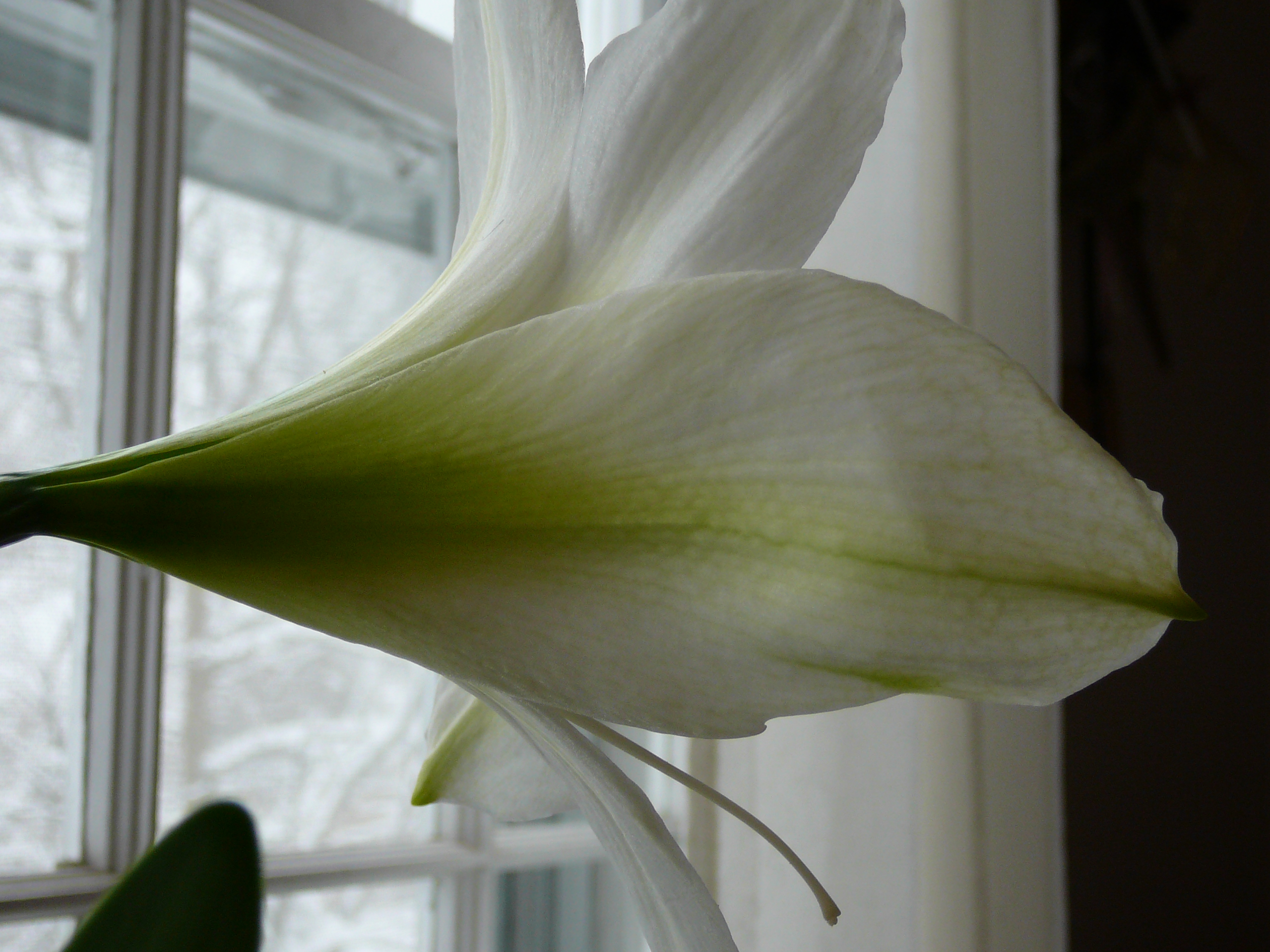
I am looking at the blossom of a white amaryllis, rising on a thick green stalk before my window. Outside it is snowing hard.

A woodpecker drills at the suet cake, swinging from the feeder. A brown squirrel plows down the power line, shoving clumps of snow to the ground. I am looking long at the amaryllis and that green seam shading into pale yellow tracing along the underside of a blossom.

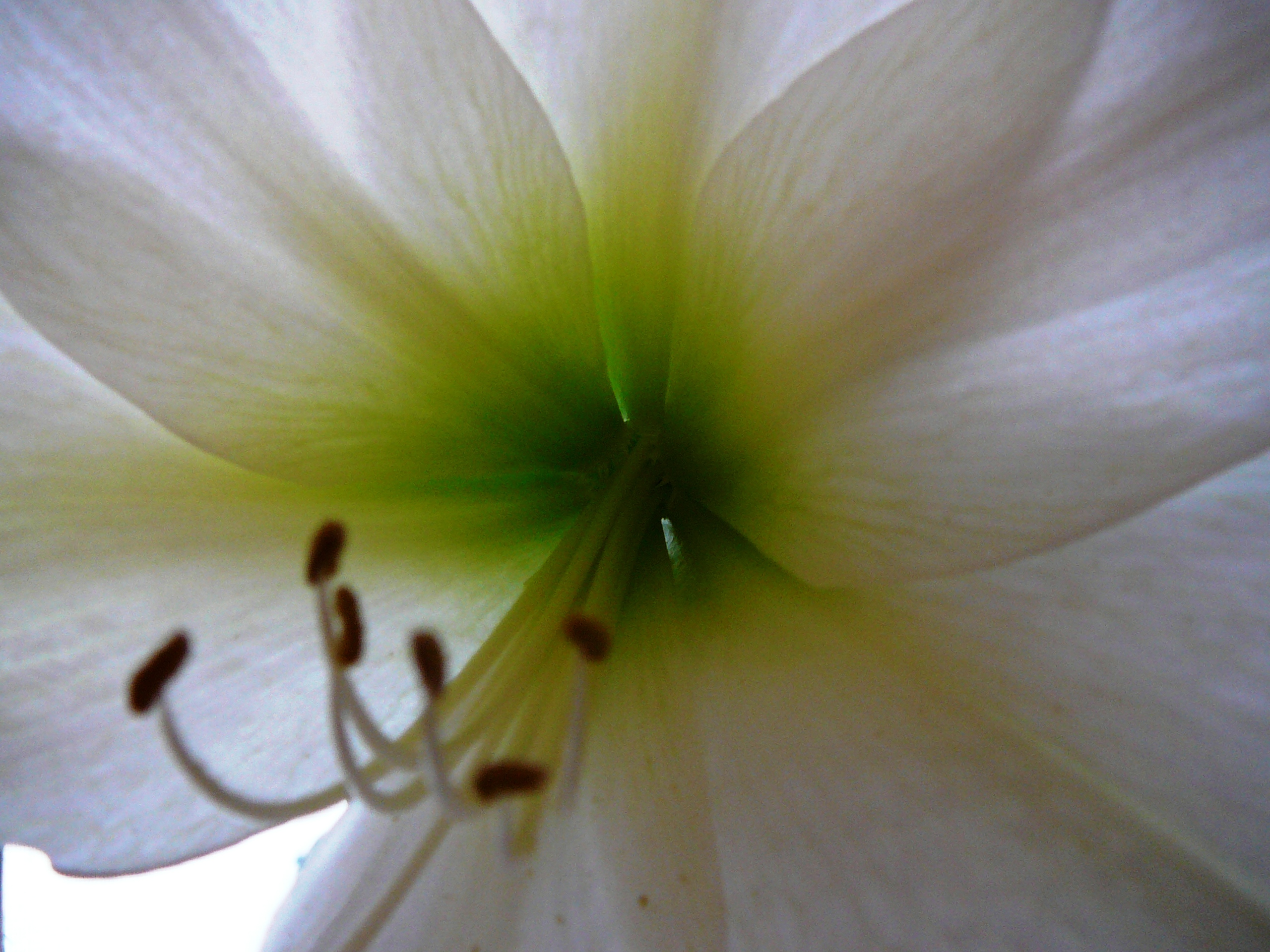
I look and look – at the milky, translucent petals, the flared green heart of the blossom, the seven curved stamens with their golden haired anthers, the fluted, serrated fringe at the tip of the petals, and that tiny pale shoot rising up between the two large petals – the pistil and three legged stigma. I look at the split sheath covering of the three large blooms. The two pieces now hang limp, shriveling, spent from such sundering.


And I am

breathless

with the wonder

and beauty.


Last evening my home was filled with teenagers. Thirteen kids crowded into my tiny den to watch a video about faith called Beyond Our Differences. Earlier we took a pared down version of a survey conducted by the Pew Research Forum on Religion and Public Life. The survey, conducted last year, measured Americans’ knowledge of their own religions and their neighbors’ religions. On average Americans got only sixteen questions out of the thirty two correct.

The teens and I are learning about different religions this year in our desire to build understanding with our neighbors on this planet, discover points of common ground, and to become clearer and more articulate about our own beliefs.


On January 6 many Christians celebrated Epiphany, the visit of the wise men from a far away land with their gifts to the infant Jesus. Now we enter the stretch of Sundays after Epiphany that carry us all the way to Ash Wednesday and the beginning of lent.

Epiphany means a showing, a revealing and was applied early on in the Church to this event in Jesus’ life. The previously obscured and hidden God of the Jews unveils his divinity for all people in the Christ child, and folks from a long way out of town show up to see it.

The themes of the scripture readings which carry us through the next eight Sundays focus on the mission of the church as making disciples and reaching out into the world as evangelists. Some churches also use this season as an opportunity to foster fellowship, to repent of our sins of bigotry, hatred and prejudice, and work toward healing the divisions in church and society.

Soon after his birth Christ is introduced to his first cross cultural, interfaith experience in the form of the visitors from afar.  Next, fleeing Herod’s wrath, he and his parents become aliens, refugees,  in a foreign culture in their escape to Egypt.

History is full of stories of the church’s awkward, failed, and sometimes brutal and horrendous attempts to share what they have seen at the manger. History also is full of astounding stories of love, forgiveness, freedom and justice as the gospel has been shared.


At the beginning of Advent the youth group read Isaiah’s prophecy of the coming messiah:

He grew up before him like a tender shoot,
and like a root out of dry ground.
He had no beauty or majesty to attract us to him,
nothing in his appearance that we should desire him.                                                             Isaiah 53: 2

I held up a dry, flaky amaryllis bulb with a wad of pale spindly roots. This is where advent begins, I told the kids. This is where God begins to come into our world –through something ugly and apparently useless that you may think ought to be thrown out in the trash. God arrives as things appear hopeless, beyond repair, and we are realizing that there is no way we can figure this out and make things right on our own. When we realize we need help, we are ready to meet Jesus.

A few days later I planted the bulb in a green ceramic pot my daughter made. She would be embarrassed to see it in this pot. Not up to her standards, the pot has some flaws. I love it.

A month later, gazing at the blooming beauty heals my soul. I wonder what it would be to become those long smooth fleshy spears of leaves. I have been busy the past week with numerous contacts, encounters, preparations, and meetings. I have gazed into the pure white petals of many souls. Each person was stunningly beautiful and deserving of longer attention than I had time to give.

 Today I gaze long upon the white amaryllis. A prayer wells up for those thirteen young people and for their parents and grandparents. I love them all like the mother rabbit I saw in a video once. The rabbit was chasing a snake away from her nest. She followed and pounced and picked it up, thrashing in her mouth, until the snake escaped and slithered up a tree. I want no harm to disturb the growth of these souls. I tremble too, at the responsibility entrusted to those engaged in the care of the souls of others.

I am not absolutely sure what it means to be an evangelist.  I do think it has to do with telling the stories of what we have seen. We need to share with one another those epiphanies which bring us to our knees, call us to make long journeys, and inspire us to give away our precious treasures.

I also believe that being an evangelist has to do with offering the gold of our time,

with inviting the poor and needy into our lives,

and looking long and hard at each other

until we touch the very peace we issue from.


 Thank you to Dorothy Frager, who looks long and hard,  for permission to use her painting!

 The Sanctuary Foundation for Prayer
Contact the author: lross@fromholyground.org  www.fbook.me/sanctuary
Follow at http://twitter.com/lfross


Waiting: Broccoli and Perseverance

Part One of Four Parts

A friend recently asked me for the key to success in surviving a child’s thirteenth year. She told me she ate some truly nasty broccoli at dinner one night in a desperate attempt to do something good for herself. She swallowed the stuff in the hope that it would help her live long enough to see her son become the parent of a thirteen-year-old.

Longevity and sheer perseverance have a lot to do with justice and salvation. If you can live long enough, you may see the triumph of good with your own eyes. Being able to hang on, to wait through periods when all seems turned against you, to survive and prevail is a central activity of a Christian.

Some pastors struggle to get congregations to sing the more somber and penitential advent hymns before the favorite Christmas carols. I am not surprised. Our culture’s mindless celebration of Christmas distorts the basic truth of the season, namely, our need for redemption and what might be required of us to receive it. We gloss over our appalling sin and ruin, skip past the eager groan of creation’s need for healing. We drug ourselves against the suffering of dark nights. We grow numb and fall asleep before the TV instead of keeping alert and obedient watch for God’s saving action in our lives. We succumb to the temptation to consume more and more as we race to gratify desires.

In contrast, Christ tells us that here is where we are to linger, to stay awake, to wait and be ready,

here in the bleak and barren heart of our need.

Timing is everything. Should one push, move ahead and make something happen or lay low, wait, and watch for the hand of the Lord to act? Tolerating ambiguity, not knowing and uncertainty can be excruciating. In our anxiety and fear we may take things into our own hands.

As a general rule of discernment, when in doubt, wait. The stance of faith waits, trusts, praises, and gives thanks. Faith joined with love bears all things, believes all things, hopes all things, and endures all things.

Why is that hard for us? Perhaps we fear that we won’t be vindicated, that our longing will not be fulfilled, that our cause will not redeemed, that things will not be made right and goodness will not prevail.

My friend with the thirteen-year-old told me her family motto: “Learn to bear what must be borne.” This stern admonition carries for me a puritanical severity, a life of gritted teeth, pursed lips, and making the best of one trial after another. But when I shared the proverb with another friend, “What a great theme for advent,” she exclaimed, seeing a possibility I had missed. My understanding shifted from regarding what must be borne as some heavy load and having to slog along through life like a drudge to the exhilarating task of the labor and delivery of a baby.

“Love in real life is a harsh and dreadful thing compared to love in dreams,” observed Dostoevsky. The advent season invites us to the harsh and dreadful task of giving birth to a love that will ask more of us than we thought we could bear. Learning to bear the one who must be born, the Christ, into our lives, families, communities, and world requires us to wait, persevere, and overcome fear with faith.

As the promises of God are delivered through our lives, we can rejoice with St. Simeon, whom Orthodox Christians call “The God Receiver.” Old Simeon was waiting to see the Christ before he died. Led by the Spirit, Simeon showed up at the temple when Mary and Joseph brought their son to present him to the Lord, according to the law of Moses. Taking the infant into his arms with a heart full of love and eyes full of tears, the old man uttered these words:

Lord, now let Your servant depart in peace,
according to Your word,
for my eyes have seen Your salvation,
a Light to lighten the Gentiles,
the Glory of Your people Israel.
Luke 2:25-32

Watch for Part Two of this series on waiting, The Promise, coming soon.

Adapted from the author’s book, Letters from the Holy Ground – Seeing God Where You Are, Loretta (Ross-Gotta) F. Ross, Sheed & Ward, 2000.
The Sanctuary Foundation for Prayer
Read more about prayer www.fromholyground.org,www.fromholyground.wordpress.org
Contact the author lross@fromholyground.orgwww.fbook.me/sanctuary
Follow at http://twitter.com/lfross

The Stranger

At first glance he wasn’t all that attractive, a little too rough and edgy for me. He wore a nice pair of pants, but his shoes were beat up and had a hole in one toe. He had a scruffy beard, neatly trimmed nails, and a smart fedora tilted over one eye. He staggered slightly and stumbled once, as he approached. Tall, lean, all angles and contradiction, he gave off a raw, muscular energy that seemed both sinister and alluring.

He looked in some ways like the type of kid, who back in the 50’s would wear his hair slicked back in a ducktail and carry his cigarettes rolled up in his tee shirt sleeve. The fact that he had been eyeing me for some time made me nervous in a kind of silly, excited, middle school way.

He was definitely not my type. Besides I have long passed the era of swaggering boys and dangerous glances. Yet he was coming straight toward me, with a lazy, loping walk, totally at ease with himself and his own incongruity.

His eyes seemed older than his body. Compassionate and understanding, his gaze invited me in like some grandma holding out a cup of tea and plate of cookies. I better get out of here, I thought.

But before I could slip away he was suddenly before me, leaning over, and asking, “Would you like to dance?”

I glanced around, “Me? You want to dance with me?”

“Of course,” he said, smiling now.

“Why?”

“Isn’t it time we became friends?”

_____________

At a recent gathering in Kansas City, I was struck by a quotation from German philosopher Rudolf Bahro shared by Margaret Wheatley, well known management consultant, who studies organizational behavior, change, and chaos theory:

When an old culture is dying,
the new culture is born from a few people
who are not afraid to be insecure.

O yikes, I thought. I spend a lot of time and energy figuring out how not to be insecure. Now I am supposed to get comfortable with it?


Who has not had a terrifying encounter with fear, which kicks all reason out of your mind and fills you with the powerful instinct to run, to hide, to attack, or to kill?  

Fear is an emotional response to a perceived or suspected threat to our security and safety. It both helps to insure our survival, and may also hold us back from moving forward. Because of its primal power expressed through our biochemistry, we may be manipulated by fear into silence, passivity, numbness, or reckless action.


The reality of fear runs through the Biblical narrative, like a long steel ice pick between the shoulders of the people of God. The gift of fear as warning, and as impetus to take some saving action, is often distorted and misapplied. Fear becomes the excuse for lack of faith, and for failure of nerve. We find ourselves unwilling to trust in a power and reality greater than the lying, sniveling fear, which makes us feel we are nothing, but grasshoppers in a world full of overpowering giants with very large feet.

(But the others said, “We can’t attack those people; they’re way stronger than we are.” They spread scary rumors among the People of Israel. They said, “We scouted out the land from one end to the other—it’s a land that swallows people whole. Everybody we saw was huge. Why, we even saw the Nephilim giants (the Anak giants come from the Nephilim). Alongside them we felt like grasshoppers. And they looked down on us as if we were grasshoppers.” Numbers 13: 31-32  Message)

Not counting the frequent admonitions to fear God, that is, to offer God respect and reverence (which is not the kind of fear I am speaking of here), the Biblical admonitions to not fear pile up, filling up several columns in my concordance. God tells us not to fear. Jesus tells us not to fear. Psalmists, prophets, and angels tell us not to fear. Peter and Paul tell us not to fear.

Like most good advice. This is easier said than done.

Though love is not the opposite of fear, it does seem to be the antidote. In I John we find the familiar verses, “Perfect love casts out fear. There is no fear in love. But perfect love drives out fear, because fear has to do with punishment. The one who fears is not made perfect in love.” (I John 4: 18)

At our core, perhaps, what we fear is the separation from the love which promises us protection, care, and life itself. When the gifts of love in our lives are threatened in some way, we fear the loss of the source of these gifts, as well. Love, itself, shall surely be extinguished. We often confuse the gift with the Source. The gifts are  fragmentary, finite, always shifting, changing, and inevitably imperfect. The Source, however, is unchanging, eternal, and utterly worthy of our trust. Losing that which is the core and center of all our desire is, of course, a lie, an illusion. For nothing can separate us from the Love of God as Paul assures us:

For I am convinced that neither death nor life, neither angels nor demons, neither the present nor the future, nor any powers, neither height nor depth, nor anything else in all creation, will be able to separate us from the love of God that is in Christ Jesus our Lord. (Romans 8:38-39  New International Version)

Margaret Wheatley suggests that during this time of tumultuous change and insecurity that what is needed in every organization are patience, forgiveness, compassion, generosity, and an acknowledgement that we will fail sometimes and that is okay. These virtues sound like love to me, perfect love, which casts out the fear that stifles creativity, freedom, and innovation. Perfect love breaks the chains, which bind us to a past we cannot change. Perfect love exposes the dark fiction we write about a future we cannot control. Perfect love empowers us to respond to the present, ripe with possibility and brimming over with life.

_____________

We make an odd couple, this older woman and her shape shifter of a partner. “I don’t know the steps,” I protest.

“Trust me,” he whispers, as he guides me onto the dance floor. “We will make the steps up as we go along.”

“Your name?” I ask gazing into those eyes.

He hesitates for a moment. “People call me Uncertainty,” he says, pulling me closer.

Become a fan of the The Sanctuary Foundation for Prayer
Read more about prayer www.fromholyground.org, www.fromholyground.wordpress.org
Contact the author lross@fromholyground.orgwww.fbook.me/sanctuary
Follow at http://twitter.com/lfross


Christian Atheists

“If yas gonna pray – then yas don haft ta worry.
If yas gonna worry, then why bother to pray?”
Anne Lamott, Traveling Mercies


Though a majority of Americans claim they believe in God, most of us function in our lives as atheists. Little seems to cause us more trouble than the godless belief that the ultimate responsibility for everything rests with us. Parker Palmer calls this “functional atheism.”

This is the unconscious, unexamined conviction that if anything decent is going to happen here, we are the ones who make it happen – a conviction held even by people who talk a good game about God.

This shadow causes pathology on every level of our lives. It leads us to impose our will on others… stressing our relationships, sometimes to the point of breaking. It often eventuates in burnout, depression, and despair, as we learn the world will not bend to our will and we become embittered about that fact. Functional atheism is the shadow that drives collective frenzy as well. It explains why the average group can tolerate no more than fifteen seconds of silence: if we are not making noise, we believe, nothing good is happening and something must be dying.

~Parker J. Palmer, Let Your Life Speak

Functional atheism is not a new affliction for the believer’s soul. Remember the story of the father of the epileptic child who asked for Jesus’ help? Jesus said to the man, “If you are able! – All things can be done for the one who believes.” Immediately the father of the child cried out, “I believe, help my unbelief!” (Mark 9: 23-24)

The rough and tumble scramble of our daily lives reveals our hidden atheist. Our unbelief makes itself known in our worry and irritability. We see our betrayal of God in the way we clamp down on having things our way and in insisting that we are right. Such unbelief gives us heartburn, high blood pressure, sleepless nights, and anxious days. Try as we might, we will always fall short of being able to be God in our own lives. Such an enterprise only leads to misery.

So, let’s practice belief. Slowly, step by step, stumble by stumble, we can move more deeply into the conversion of our unbelief.

Here is a prayer exercise to try.

Find a quiet spot. Let yourself relax. Take five or six deep breaths in through your nose, and release each one slowly through your mouth.

Now, imagine yourself in a vast open spacious field: a mountain top, a plain, a meadow, and a lake or ocean shore. See the space on all sides stretching into the distance.

Next, put the things you are worrying about: finances, work, family, various tasks, or responsibilities — whatever has you tied in knots, into that spaciousness. Once you have spread out your concerns at some distance from yourself, simply be there, breathing.

Imagine the Holy Spirit is moving among and penetrating the many tasks, people, and issues with a vibrant, pulsating energy you cannot see, but may sense. As you remain in peace, centered in Christ, the work of God goes forth into all your concerns through your faith, your consent, and your belief that God is more powerful and effective in your life and the world, than you could ever be.

Watch. Wait. Trust. If you become anxious, ask God to help your unbelief.

After taking time to be present to God’s activity in your life concerns, ask if there are any specific responses or actions you are to take. Allow God’s response to rise up from your center of peace, rather than your anxiety or fear.

Here in the field of your life the One who knows you better than you know yourself is always healing, creating, mending, and summoning.

Relax. It is not all up to you. You are not alone. You are not even in charge.

You are just part of the field, a member of the family.

Amen.

Become a fan of the The Sanctuary Foundation for Prayer
Read more about prayer www.fromholyground.org,  Tracking Holiness – Newsletter
Contact the author lross@fromholyground.org, www.fbook.me/sanctuary
Follow at http://twitter.com/lfross

Will the Faith of a 13 Year Old Sustain Us?

Are you trying to cope in a grown up world with the faith of a thirteen year old? James Fowler and other scholars of faith and personality development have indicated for years that a majority of Christians possess the spiritual maturity of a thirteen year old. A recent survey by the Pew Forum has found that atheists know more about  major religions than Protestants and Roman Catholics, many of whom do not know the basics tenets of their own faiths.

How well does the faith of a thirteen year old hold up in a grown up world?

Not very well according to a recent survey conducted by the Barna Institute. The survey revealed that though many people are discussing and debating religious beliefs and practices, all the talk has resulted in very little change in people’s faith. Just 7% of those surveyed could cite any change that their faith has made in their lives in the past five years.

On the one hand about one-third of adults who experienced any change at all mentioned an increase in some aspect of their faith commitment. Fourteen percent said they had stepped up their commitment to the Christian faith, in general; 12% cited an increase in their religious activity; and 9% indicated their commitment to God had grown.

On the other hand 16% said they had moved away from Christianity; 11% noted that their feelings about or perceptions toward churches had deteriorated; and 8% admitted to decreasing their religious activity. Another 8% claimed to have changed churches or denominations during the past five years. Among those whose appreciation of or respect for churches declined, a majority specified the sexual abuse scandals within the Catholic church as the dominant factor in their change of heart . Barna Research

Writers in the field of human personality and faith development have observed for some time that most people’s understanding of faith and beliefs are established by age thirteen and do not much change over their life.  If my faith and the faith of most of the people around me is that of a thirteen year old, it seems a natural evolution to drop out in my twenties. On the other hand, if I choose to stay, what sort of impact on the world does a church with the faith maturity of thirteen olds make? Not much, it would seem, if the steep declines in church membership, respect for religious leaders, and positive cultural regard are any measure.

Though Jesus challenged his disciples to have faith like a child, he also challenged them to grow beyond childish ways by bringing their faith to bear on the complex religious and social issues of his time. He challenged his followers with paradox and ambiguity. He taught that there was something life-giving in death itself. In addition he called for self-sacrifice beyond the cognitive ability of thirteen year olds.

I know a clergy person, who told me she had a program on her computer that checked the style and word choice of her sermons for grade level. She aimed to write sermons easily understood by a third grader. That explains a lot to me. If all we give people in our churches is third grade faith and understanding, it is a wonder they stay around through high school, let alone the rest of their lives.

The Christianity of the first century was more than palliative care or an agenda for social change. Mature faith, tried and refined in the fire of personal and communal life, results in deep understanding and compassion for the human condition and deep reverence for all of life.

I have heard the faith taught by some churches called “a mile wide and an inch deep.” A sound bite world that worships immediacy has little patience for anything other than Christianity Lite. Hence the media depiction of faith traditions is often distorted, diluted, sensationalized snippets of a tradition only truly known and appreciated through years of living and allowing oneself to be changed by its teachings.

G.K. Chesterton once observed that, “It is not that Christianity has been tried and found wanting, it is that it has never been tried.” Our perilous time of mounting crises, crumbling institutions, and polarization require of us a faith much deeper, broader, and more nuanced than that of most thirteen year olds.

I do see many positive signs— a young woman named Gina who is seeking to have her life radically changed by God as she lives out of a back pack, traveling the world helping the poor; the family who travels to third world countries offering love and medical care; the young college graduate who went to Haiti to help build an orphanage and hauled drinking water for the workers each day. Other people submit to the transforming power of the St.Ignatius thirty-day retreat, or sit down with someone regularly to examine their spiritual life and the call of God. Many people are taking responsibility for developing their faith in creative ways, and often these occur outside traditional church settings.

Spiritual maturity helps us to answer such questions as – How do we help ourselves live with paradox and ambiguity? How do we increase our tolerance for the stranger and the alien? How do we meet suffering and deprivation in ways, which carry us beyond sullen entitlement, bitterness, and retaliation? How do we integrate increasingly complex realities with faith and generosity?

As a thirteen year old I believed the promises of scripture:  that God is good and wants goodness for us. I believed that God also has expectations for us to live with reverence, forgiveness, compassion, and self-giving love.

As a knocked down, punched out, disillusioned adult I also believed that suffering, evil, sin, loss, and disappointment are real. For me the cross, no less a scandal and folly today than 2000 years ago, stands between the polarities of the goodness of God and the harsh realities of life in this world. Strung between childlike trust and adult confrontation with sin and evil is a tightrope called faith. In the center of that tightrope we find the cross. No one may pass by without a crucifixion. Mature spirituality has learned to walk that narrow wire with precision and grace.

Despite our advances in technology, health care, science, industry, and commerce, we remain in some respects spiritual children. I believe among the most important skill called for in our time is not our intellectual expertise, but rather, mature faith manifested in how we respond to deprivation and loss, how we respond to our own lust and greed, and how we discover the inner resources of wisdom, character, and love that make us worthy to be entrusted with the great power that is ours as a community and individuals.

I am writing this blog in the public library of a small town in Iowa. A group of middle school kids sat down at the table near by. They are discussing how old they are and who is mature and who is not. They are working on a school assignment, but so far have not opened their books. They just took a break and asked me to watch their notebooks. The kids are funny, exasperating, and when they suddenly apologized to me for making too much noise, I fell in love with them. As endearing as I find them, I would hate to bank the future of Christianity on the faith on these children, or have to count on their leadership and wisdom to lead us in these tumultuous times.

As a matter of fact, they make me want to be the very best grown up I can possibly be for them.


I know a large number of grown ups in the faith – including you, my dears. Many are members of churches, quite a few are not. Some have nothing good to say about Christianity. But all are bringing, deep, resonant, intelligent faith to bear on the challenges and sorrows of this world. Thank you all so very much!


Become a fan of the The Sanctuary Foundation for Prayer
Read more about prayer www.fromholyground.org,  Tracking Holiness – Newsletter
Contact the author lross@fromholyground.org, www.fbook.me/sanctuary
Follow at http://twitter.com/lfross

The Dance of Suffering and Joy

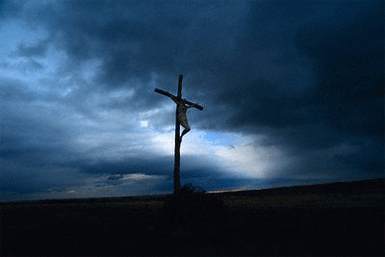
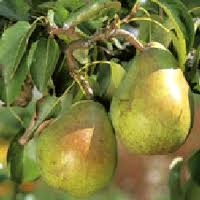
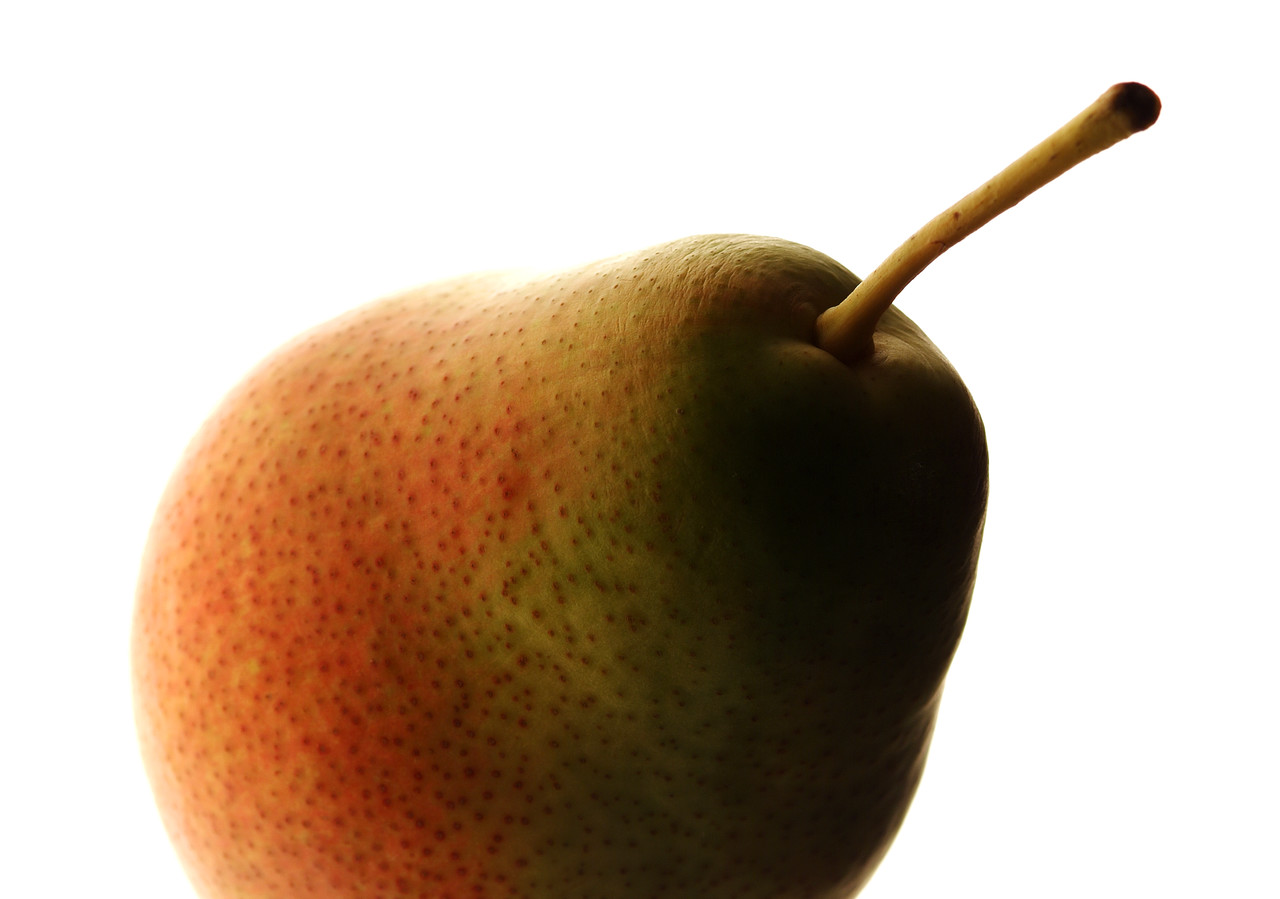
The leaves of the pear tree are glossy and thick on the branches. The pears, a bit larger than walnuts, blush rose near their stems. On my window frame hangs the icon of a skinny naked Jesus. It is the crucifix of San Damiano from which St. Francis heard Jesus tell him to repair His church. This Jesus will not meet my gaze, but looks down some hellish tunnel of sorrow that hallows the space between us. His face is grey, mouth turned down. He is wearing a sheer loin cloth that looks like it came from Frederick’s of Hollywood. I am embarrassed for him in his poverty, his utter abasement. Cheer up Jesus!  You look terrible. The pear tree is laden with fruit this year!

He doesn’t seem to notice the fruit, though he must see it – his eyes are wide open. Pinned like a specimen to the cross where under his arms are gathered stately mourners, he bleeds in tiny spurts from hands and feet. Angels hover over his head in neat rows. One appears to be performing a liturgical dance. No – that’s no angel. It must be Christ on his way to heaven, ascending in a crimson mandala.

The crucified Jesus just hangs there. Has he no shame? It is I who squirm, not he.  For his eyes pin me at the intersection of poverty and abundance where I hang ripening in the Kansas sun in mid September. O Jesus, how long must you hang there suspended in misery, wearing us out with that sorrowful stare?

With an introit of barking dogs, the squirrels soon will come to pluck the half-ripe pears with their agile paws, taking one bite from each, and then carelessly tossing them to the ground to rot. Pray God to preserve us from squirrels that raid at dawn, chattering and chasing up and down the branches, tempting us into thinking that we have been made to be consumed by squirrels. Pray God that we may be left hanging, suspended by the heart’s stem, hidden in the leaves until we’ve ripened properly. And then, at the sharp insistent teeth of need open our flesh sweet and tender to one another.

Then maybe that sad Jesus will get off that rugged cross and come eat the fruit of summer with us.

____________________

We went to Koger’s Variety Store for back to school specials the other day and painstakingly put names on new back packs, glue bottles, scissors, and Big Chief Tablets.  We watched Dad’s jaw drop as he wrote the check for new clothes at the mall.  Then last evening we noted it was getting dark so early.

The air is uneasy, a mix of the eager hope of a brand new lunch box and the painful regret that summer is over and we never got around to making those doll clothes or camping out in the back yard to watch the stars all night.

Jeremiah laments with us, “The harvest is past, the summer is ended and we are not saved.”(8:20)  And we find ourselves at the  intersection of poverty and abundance where the kingdom of God is conceived. Christians seem to perpetually stand on the threshold of a new school year clutching our shiny lunch boxes in one hand and the forsaken dreams of summer in the other. Holy ground is the paradoxical place where we simultaneously live in the Pentecost fullness of the gifts of the Spirit and the power of the Risen One; and in the crucifixion emptiness and cry for redemption of the Suffering One.

Jesus tells us that of God’s own will we have been brought forth to be a kind of first fruits of God’s creatures.  Like the firstborn child or the firstborn of livestock, the first fruits to come ripe in a season were sacred to God.  “When the grain is ripe, ready to be given up, at once the farmer puts in the sickle because the harvest has come,”(Mark 4:29) says Jesus. When one is ready to die, then harvest is come. How odd to be ripening for death, to be growing in Christ only to be handed over.


Just as the cross is the joining of two opposite directions, we live in the creative tension of the union of poverty and abundance.  The tension is great, and it is hard for us to stay in the center of the cross for very long. We want resolution. We are tempted to heave ourselves down one polarity or the other.  But if we can hold both the pear tree laden with fruit and our ongoing need to be nourished, if we can accommodate both the Risen Christ and the Crucified Savior, then we may discover, out of the union of these opposites, new fruit conceived in us which will heal and sustain the earth.

The barrage of demands and the voracious appetite of a culture that seeks to devour, rather than savor its sustenance undermine a quiet patient trust in God’s seasons of growth and harvest.  What is it that finally brings us to fruition? Is it not the sharp insistent teeth of need, our own poverty and the poverty of one another, that finally allows us to fall sweet and tender into each other’s embrace?

At Toys R Us — Oh my, toys are us! In Proverbs Wisdom tells us, “At the beginning I was playing beside him like a little child and I was daily his delight.”(8:29),  I listened to a tinkling recording of “It’s a Small World, Isn’t It?” while watching a lion and a lamb, a giraffe, a hopping kangaroo, and a waving bear shimmer across a plastic screen. Nearby Cicelia plinked a xylophone in plunking delight.

Then in the department store she asked, “Are shoes alive?”

Her elder sister exclaimed, “No!”

But she persisted, “I saw one talking on TV.”

“Let’s see,” I said, and leaning over a cordovan Bass loafer inquired, “Are you alive?”

“Oh mom,” Diana sighed.

We tried on grown-up perfume. When the saleslady offered to help, we told her we were searching for a fragrance that was really “us.” A spray, and Cicelia, pressing her hands to her cheeks, giggled, “Oh mom, I know this one is me!”

Before boarding the escalator we tried on hats. Cicelia, in a large brimmed red felt with ribbons, and Diana, in a small black veiled cloche, gazed at their images in the narrow mirror on the best day of my life.

We took six dresses from a rack for Diana to choose. Cicelia was her handmaiden, letting it be according to sister’s word, carrying, doing buttons and zippers, and holding up the blue satin fabric like a swatch of heaven against each dress.

Jesus, I thought you were suffering, but I saw streams of light pouring from your head like a fountain, spraying colors – blue, azure, hues of red, green, yellow – shimmering rainbows irradiating in spurts and gushes and rivers from a still small body sagging on a tree. All day I played plinking magic while you spun streams of green leaves, jungles, hay fields in spring, purple hyacinths, beets, cerulean seas, dolphins, berries, mountain mist, and a single red rose flame out of the chaste and tender aureole of your pain.

There in the dance of creation and dissolution, there where our need is met with the abundance of another and our abundance fills another’s lack,

there where it is a small world after all,

there is our joy made complete.


This post is excerpted from the author’s book, Letters from the Holy Ground – Seeing God Where You Are

If you find something here you like, let us know! The Sanctuary Foundation for Prayer

Read more about prayer at www.fromholyground.org ,
Tracking Holiness – Newsletter
Contact the author at lross@fromholyground.org, www.fbook.me/sanctuary
Follow at http://twitter.com/lfross

Prairie Lamentation

Driving west on Interstate 70 from Topeka, Kansas around ten in the morning, I plunged into that green swath of oceanic beauty called the Flint Hills. Named by explorer Zebulon Pike in 1806, the majestic sweep of bluestem prairie extends north to Nebraska and south all the way to Oklahoma.

Formed 250 million years ago when Kansas and Oklahoma were covered with shallow seas, the land is compared to the undulating roll of a great body of water. The shallow soil rests on seabed layers of flint, shale, and the fossilized remains of sea animals.

Reveling in the beauty, I was sailing down the road, when I came abruptly upon a sight that brought my heart to my throat and sent a chill down my spine. A huge shimmering whiteness moved off to the north along the road. Bigger than the side of a barn, it lifted and fell back to the ground. It seemed alive somehow, but no animal could be that large.

I slowed, curious and wary. The highway was deserted. Was this a UFO? Maybe I should look for an exit and turn back. I drove a bit further, then coasted onto the shoulder, and stopped about 100 yards away, watching that white thing waving.

It looked like huge wings. One wing spread up the side of a hill, the other lay nearer to the road in the valley. A few iridescent feathers lifted in the wind and reflected the blue sky like mirrors. The wings were rising and falling slightly in a convulsive shudder.

It’s hurt. It needs help. But it’s huge. Would I scare it? Would it attack me? And what is it?

I looked up and down the road. Still no traffic. I opened the car door and slid out. A sudden rush of wind whipped past and slammed the door shut. The air was cool and smelled of grass. The only sound was the soft swish of shuddering feathers. Standing by the side of the road between earth and heaven, I pressed my hands over my mouth and stepped forward. I had taken a few more steps when, suddenly, the thing, the bird hiccupped. It convulsed and heaved in a ragged sob.

I nearly jumped out of my skin, but I saw that it was crying. The beautiful bird had spread herself over the sea of grass to weep. Don’t ask me how, I just seemed to know the bird was a she.

I moved a little closer, wondering if I could be of comfort. May I help you? But before I could finish the thought, a river of grief and anguish engulfed me and I tumbled over and over, gasping for air, drowning in sorrow. A deafening roar of cries and sorrow filled my senses. Then a battering wind and hellish screams pulverized me into tiny pieces, flinging me into darkness. After that, nothing.

When I came back together as myself, I was there in the quiet August morning with the hills, the sky, the empty highway, and the still bird. She seemed calmer now. The shuddering had stopped.

Are you all right? I asked. Are you able to fly? And again, instantly, I was drawn out of myself in a sickening swoop over mountains. We dove into the depths of the sea, peered into the eye of a whale, and crawled with a crab on a shore. I saw the molecules of a heart valve, and plummeted into the shrunken belly of a child in Sudan. We whooshed through glittering palaces of power and stood on the floor of the New York Stock Exchange. She laid those wings over a pile of bodies in Pakistan and sat on the shoulder of a man holding an AK47 rifle. We splashed in a child’s swimming pool with a little girl in a pink and green striped bathing suit. She whispered to an artist bent over a painting, and coursed up the stem of a tomato vine in Fremont, Nebraska.

This time, reeling and breathless, I didn’t want to ask any more questions, or bear the answers. I gazed upon her wings spread over the prairie grass and the reflection of the blue sky, the puffy white clouds, and the tall grass waving. In the play of light and color I caught of glimpse of a woman peering back at me and realized with a start that the woman was myself.

Then she lifted one wing. She drew her head out from under it and turned her eyes on me. A bolt of love and compassion seared through me with the crackle and snap of flames rising from dry wood.

I sank down beside the bird. What do you want of me?

Tell them.
To stop.
Hurting me.

I cringed, shaking my head. I can’t. I am complicit. I have blood on my hands, too.

She waited for me. The wind ruffled her feathers. The puffy clouds moved across the sky. Somewhere a meadowlark called.

Okay. How?

Be brave.
Be brave, she told me.
Be brave.

_____________________________

Let no unwholesome word proceed from your mouth, but only such a word as is good for edification according to the need of the moment, so that it will give grace to those who hear.  Do not grieve the Holy Spirit of God, by whom you were sealed for the day of redemption. Let all bitterness and wrath and anger and clamor and slander be put away from you, along with all malice. Be kind to one another, tender-hearted, forgiving each other, just as God in Christ also has forgiven you. Ephesians 4: 29-32 (NASV)

Don’t grieve God. Don’t break his heart. His Holy Spirit, moving and breathing in you, is the most intimate part of your life, making you fit for himself. Don’t take such a gift for granted. Ephesians 4: 29 (The Message)

We invite you to become a fan of the The Sanctuary Foundation for Prayer

Read more about prayer at www.fromholyground.org,
Tracking Holiness – Newsletter
Contact the author at lross@fromholyground.org, www.fbook.me/sanctuary
Follow at http://twitter.com/lfross